
SEO is at the core of digital. But if you’re a newbie or want to improve your skills, the technical mumbo-jumbo can be overwhelming. Knowing your SEO terminology will help you understand the strategies behind increasing website traffic, improving search rankings and creating content.
This guide is an A-Z of all the important SEO terms, with definitions and examples to help even the most novice of marketers feel more comfortable.
Algorithm for Search Engines
Search engines like Google use algorithms to determine the relevance and ranking of web pages in search results. For example, Google’s algorithm looks at quality content and back-links to rank your page.
Analytics
Analytics is the process of collecting, analysing and interpreting data to gain insights into website performance and user behaviour. In the context of SEO, analytics tools give you valuable information about website traffic, user engagement, conversion rates and other key metrics. By looking at analytics data, you can make data driven decisions, identify areas to improve, and optimise your SEO to get better results. Using analytics effectively means you can understand your audience, track your campaigns, and make informed decisions to achieve your business goals.

Anchor Text
Anchor text is the clickable text in a link that takes the user to another web page or resource. It’s important in SEO, as it helps search engines understand the context of the linked page. For example, using descriptive anchor text like “Beginner’s Guide to SEO” is more effective than “Click here.”
Back-links from High Quality Sites
Backlinks also known as inbound links, are links from other websites to your own site. They are a ranking factor, as they tell search engines that your content is authoritative and trusted. High quality backlinks from high quality sites with credible and relevant content can boost your site’s visibility and domain authority.

Bounce Rate
Bounce rate is the percentage of visitors who enter your site and leave without engaging further, such as clicking another page or link. Duplicate content can contribute to a high bounce rate, as users may find identical information under multiple URLs, leading to a poor user experience. A high bounce rate can tell search engines your content doesn’t meet user expectations and affect your rankings. Strategies to improve this are creating engaging content, optimising page load speed, and making sure your design is user friendly.
Backlinks
Links from one website to another, also known as “incoming links” or “inbound links”. Backlinks from other sites tell search engines your content is valuable and trusted.
Example: A fashion brand links to your blog post on sustainable clothing—voilà, that’s a backlink.
Crawl
The process where search engine bots scan web pages and gather data. Crawling ensures your pages are indexed and show up in search results.
Tip: Use Google Search Console to check for crawl errors on your site.
Click-through Rate (CTR)
Click-through rate (CTR) is a key metric that measures the percentage of users who click on a specific link or ad after seeing it. While some changes may show impact in just a few hours, others could take longer. It’s calculated by dividing the number of clicks by the number of impressions as a percentage. CTR is an indicator of how well your content or ads are performing, and how well they attract and engage your target audience. A higher CTR means your content is resonating with users and encouraging them to take action, which means more traffic and potential conversions. Monitoring and optimising your CTR can help improve performance and visibility of your web pages or ads in search results and digital campaigns.

Domain Authority (DA)
A metric that predicts a site’s ability to rank in search results, based on backlinks.
Example: Sites with high DA (e.g. BBC, Wikipedia) will rank on page 1 of search results.
E-A-T (Expertise, Authority, Trustworthiness)
E-A-T is a concept in SEO that means expertise, authority and trustworthiness. These three elements are key to determining the credibility and reliability of a website or content source.
- Expertise: Showing expertise means demonstrating deep understanding and knowledge of the topic. It means providing accurate and valuable information that’s backed by industry expertise and experience. Becoming an authority in your field helps build trust and credibility with your audience.
- Authority: Authority means recognition and respect your brand or website has in its industry or niche. It means being a trusted source of information and having a good reputation among users, peers and other authoritative sources. Building authority can be done through high quality content, backlinks from other reputable sites, and positive user reviews or testimonials.
- Trustworthiness: Trustworthiness is key to credibility and building trust with your audience. It means being transparent, reliable, and prioritising the accuracy and integrity of the information you provide. Building trust can be done by citing sources, using secure payment methods, and having robust privacy policies.
By following E-A-T principles, you can increase your website’s visibility, improve search engine rankings, and build long-term relationships with your audience. Remember, consistently delivering valuable, accurate and trustworthy content is the key to building and maintaining an online presence.
Evergreen Content
Content that’s relevant and valuable over time.
Example: A blog titled “How to Tie a Tie” will never go out of date, evergreen.
Featured Snippet
A highlighted answer that appears at the top of Google search results, also known as “Position Zero”.
Tip: Structure your content to answer common user questions, to increase your chances of getting a featured snippet.
G – Google Search Console (GSC)
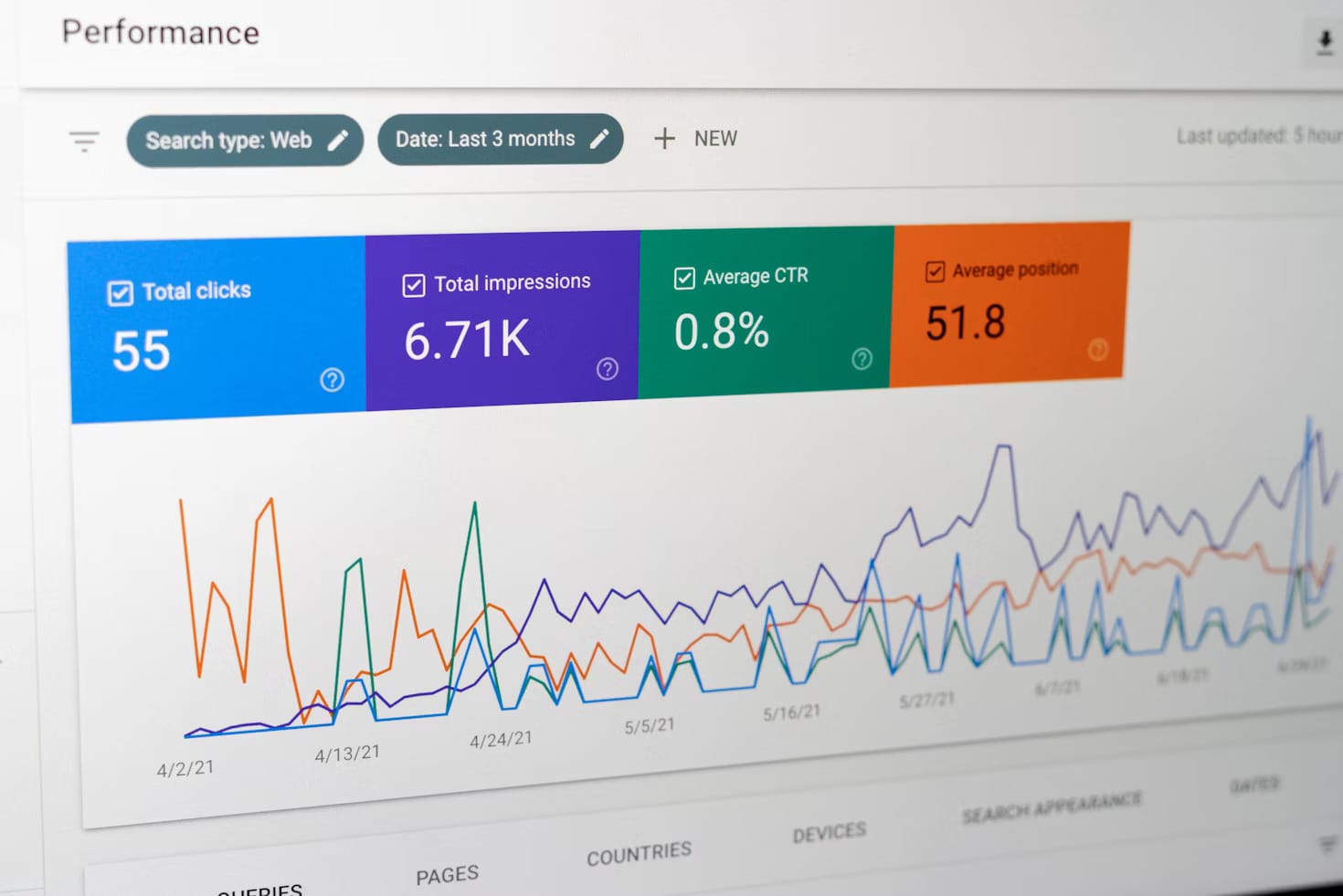
Google Search Console (GSC) is a free web service that allows website owners and administrators to monitor and optimise their website’s presence in Google search results. It shows you how Google sees and indexes your site, identifies issues that impact your visibility, and offers recommendations to improve your website’s performance in search engine rankings.
With Google Search Console, you can:
- Submit your sitemap so Google can crawl and index your site properly.
- Monitor your website’s performance in search results, including impressions, clicks and average position. It is especially important for a new site to ensure it is being indexed and performing well.
- Identify and fix indexing issues or errors that’s preventing your pages from showing up in search results.
- Get alerts and notifications on critical issues affecting your website’s visibility.
- See what keywords and queries drive traffic to your site, and optimise your content.
- Improve your website’s mobile friendliness and loading speed for a better user experience.
By using Google Search Console, you can get valuable insights to increase your website’s visibility, get more organic traffic, and ultimately improve your online presence.
Header Tags
HTML elements like H1, H2, H3 etc. are used to structure content and help search engines understand your page content hierarchy.
How Search Engines Handle Adult Content
Search engines like Google have specific guidelines for handling adult content. Adult content is defined as any material intended for adults only, including explicit images, videos, and text. To ensure a safe browsing experience, search engines use sophisticated algorithms to detect and filter adult content from general search results. However, for websites in the adult industry, it’s crucial to properly label and tag content to avoid any issues with search engines. This includes appropriate meta tags and content warnings. By doing so, you help search engines understand the nature of your content, ensuring it reaches the right audience while complying with search engine policies.
Indexing
The process search engines use to store and organise data after crawling. Indexed pages can show up in search results.
Tip: Make sure your sitemap is up-to-date, so indexing is easier for search engines.
Internal Links
Internal links are links that connect web pages within the same domain. They’re important for website navigation and user experience, allowing visitors to navigate between different pages on your site. Linking to new content can improve SEO by ensuring faster discovery by interested audiences and search engines. But internal links also have SEO benefits. They help search engines understand your website’s structure and hierarchy, so they can crawl and index your content. By linking related pages together, you can create a logical flow of information and distribute authority across your site. This will improve user engagement and visibility of your website in search engine results.
Tip: Make sure your internal links are relevant, descriptive, and contextually placed within your content for better navigation and SEO performance.
JavaScript Rendering
Search engines need to render JavaScript to access interactive elements on your site. Slow rendering can impact SEO.
Tip: Run your site through Google’s PageSpeed Insights to check JavaScript performance.
Keywords
Words or phrases users type into search engines. Keywords help search engines understand what your content is about.
Example: Someone searching “best vegan recipes” might find your blog post optimised for the same phrase.
Pro Tip: Use tools like Ahrefs or SEMrush to find high traffic and low competition keywords.
Local SEO
Optimising your online presence to attract customers in your local area.
Example: Adding your business to Google My Business will improve visibility for local searchers.
Long-Tail Keywords
Long-tail keywords are specific and targeted phrases that are 3 words or more. Unlike broad keywords, long-tail keywords are more specific and have lower search volume. But they have higher conversion rates, as they attract users with specific intent. For example, instead of targeting the broad keyword “vegan recipes”, a long-tail keyword could be “easy vegan dinner recipes for beginners”. Including long-tail keywords in your content will help you attract a more relevant audience and increase your chances of ranking higher in search engine results pages (SERPs).
Meta Tags
Meta tags are HTML elements that provide information about a webpage to search engines and website visitors. They help improve the visibility and relevance of your website in search engine results. Some common types of meta tags are:
- Title Tag: This meta tag defines the title of the webpage that shows up as the clickable headline in search engine results. It should accurately represent the content of the page and include relevant keywords.
- Meta Description: The meta description is a brief summary of the webpage’s content. It shows below the title tag in search engine results and affects click through rates. A good meta description should be concise, informative and enticing to make users visit your website.
- Meta Keywords: Although not as powerful as they were, some search engines still use meta keywords to understand the context and relevance of a webpage. Include relevant keywords that match your page content.
NoFollow Link
A type of backlink with a tag that tells search engines not to pass link juice to the linked page.
Tip: Use NoFollow links for sponsored posts or affiliate links. This is a best practice to ensure compliance with search engine guidelines and maintain the integrity of your website’s SEO.
Organic Traffic
Visitors who come to your site through unpaid search results.
Tip: Publishing SEO friendly blog posts will increase organic traffic.
Outreach and Partnerships for Escort Services
Outreach and partnerships are vital for escort services looking to expand their online presence and reach a broader audience. One effective strategy is to partner with other businesses within the adult industry for cross-promotion. This could include collaborations with adult entertainment websites, adult toy retailers, or even adult-themed events. Additionally, reaching out to influencers and bloggers who specialise in adult content can be a powerful way to promote your services. Social media platforms also offer a unique opportunity to connect with potential clients and build a loyal following. By leveraging these partnerships and outreach efforts, you can significantly enhance your visibility and attract more clients.
PageSpeed
How fast your site loads. Page speed is important for SEO and user experience. Making page speed a top priority is crucial for SEO.
Example: If your site takes more than 3 seconds to load, users will bounce and harm your rankings.
Query
What users type into search engines to find answers. Optimising your content for relevant queries will improve visibility.
Example: “SEO for beginners” is an example of a search query.
Robots.txt
A file that tells search engines which pages they can or cannot crawl on your site.
Tip: Use Robots.txt to block irrelevant pages (e.g. test pages) from being crawled.
Schema Markup
A type of code that helps search engines understand your content better. It can add rich snippets (e.g. star ratings or images) to search results.
Tip: Use Google’s Structured Data Markup Helper to implement schema.
SERP (Search Engine Results Page)
SERP, short for Search Engine Results Page, is the page that search engines show in response to a user’s search query. It lists the relevant web pages, featured snippets, ads and other content that search engines think is most relevant and valuable to the user’s query. The SERP displays a mix of organic search results, which are generated by the search engine’s algorithm, and paid search results, which are ads that businesses pay to show for specific keywords. Understanding the layout and components of the SERP is important for optimising your website’s visibility and attracting organic traffic. By aligning your SEO strategies to the SERP features, you can improve your website’s rankings and visibility to potential visitors.
URL Structure
How your website’s URLs are structured—clean and descriptive URLs perform better.
Example: Instead of “www.example.com/pg123,” use “ www.example.com/seo-basics.”
Voice Search Optimisation
Optimising your content for spoken search queries used in voice-activated devices like Alexa or Siri.
Tip: Focus on conversational, long-tail keywords for voice search.
Web Vitals
Web Vitals are a set of metrics developed by Google to measure and quantify the user experience on websites. Not optimising Web Vitals can lead to severe penalties for search engine rankings. These metrics, including Core Web Vitals like page speed, interactivity and visual stability, give you valuable insights into how your website performs and how users perceive its performance. By optimising and prioritising Web Vitals, you can improve your website’s overall user experience, user satisfaction and rankings. Monitoring and improving these key performance indicators shows you’re committed to giving your visitors a smooth and enjoyable browsing experience.
Website Structure and Navigation for Escort Services
A well-structured and easy-to-navigate website is essential for escort services to attract and retain clients. Your website should feature a clear and concise menu, intuitive search functionality, and responsive design that adapts to various devices and screen sizes. This ensures a seamless user experience, whether on a desktop or mobile device. Additionally, optimising your website for search engines is crucial. This includes using relevant keywords, meta tags, and ensuring fast load times. A well-optimised website not only improves your visibility in search results, but also enhances the user experience, making it easier for clients to find and book your services.
White Hat SEO
Ethical SEO practices that follow search engine guidelines and focus on user experience.
Example: Publishing content that’s optimised for relevant keywords.
XML Sitemap
A map of your website that helps search engines understand its structure and content. Following international standards, like those set by the United Nations, can improve the effectiveness of your XML Sitemap.
Tip: Update and submit your sitemap to search engines like Google.
YMYL (Your Money, Your Life)
Content that can affect a user’s life or finances. Google holds YMYL content to higher standards.
Pages about investments, health or law fall under YMYL.
Zero-Click Search
Search results where users find what they need on the SERP without clicking on any links.
Localising content for different regions, such as South Korea, can significantly improve Zero-Click Search results.
Example: A Google result showing the answer to “What is SEO?” as a featured snippet.
Escort Directories and Listings for Escort Services
Escort directories and listings are valuable platforms that allow escort services to list their offerings and reach a wider audience. These directories can be general or niche-specific, often attracting a large following of potential clients. By listing your services on reputable directories, you can increase your online presence and attract new clients. However, it’s essential to ensure that the directory you choose is reputable and complies with all relevant laws and regulations. This not only protects your business, but also ensures that a legitimate and interested audience sees your listings. Leveraging these directories can be a powerful tool in your SEO strategy, driving more traffic to your website and increasing bookings.
Note: The content provided is for informational purposes only and does not promote or endorse illegal activities.
Why you should know your SEO terminology?
Learning SEO lingo isn’t just about keeping up with the times—it’s about understanding the tools and techniques that will help your business rank in search. Each term is a step in creating a solid, visible and successful online presence.
Want to dive deeper into SEO? Stay ahead of the game by subscribe to our newsletter or check out our other blog posts for practical tips and advice.
Conclusion
In the ever-changing world of digital marketing, SEO is not optional, but necessary, especially for those in the escort industry. By following the SEO terminology and tips in this guide, you’ll see a big jump in your website’s visibility and search engine rankings. From long-tail keywords to white hat link building and local SEO, each step is crucial in this niche. Stay ethical and effective with your SEO, and your business will not only grow, but also stay alive online.
Ready to take your escort business to the next level? Contact us now.
FAQ
Why is mobile-friendly design essential for an escort website?
A mobile-friendly design is vital for an escort website because it will make it accessible and user-friendly on smartphones, where most users browse. Having functionality across devices will increase engagement and conversion rates.
What are the benefits of professional escort web design?
Professional escort web design will establish trust and comfort with potential clients through trust signals like testimonials and secure payment gateways. A professional website will make you more credible and reliable online and attract and retain customers.
How do I increase the visibility of my escort website?
Implement effective SEO strategies, such as thorough keyword research, on-page optimisation, and building high-quality backlinks, to increase the visibility of your escort website. This process will improve your site’s search engine ranking and drive more traffic.
What to avoid in escort website design?
To have an effective escort website design, avoid a complex layout, mobile not optimisation, and unclear calls to action. These are the keys to good user experience and engagement.
How First Escort Marketing can help?
First Escort Marketing will manage your website. Create, maintain and webmaster.
Click here to read Part 1 and continue exploring the A-Z of SEO for Escorts.
Contact us for a free consultation and discussion on the latest trends in the industry.